What Does the "925" Stamp on Silver Actually Mean?
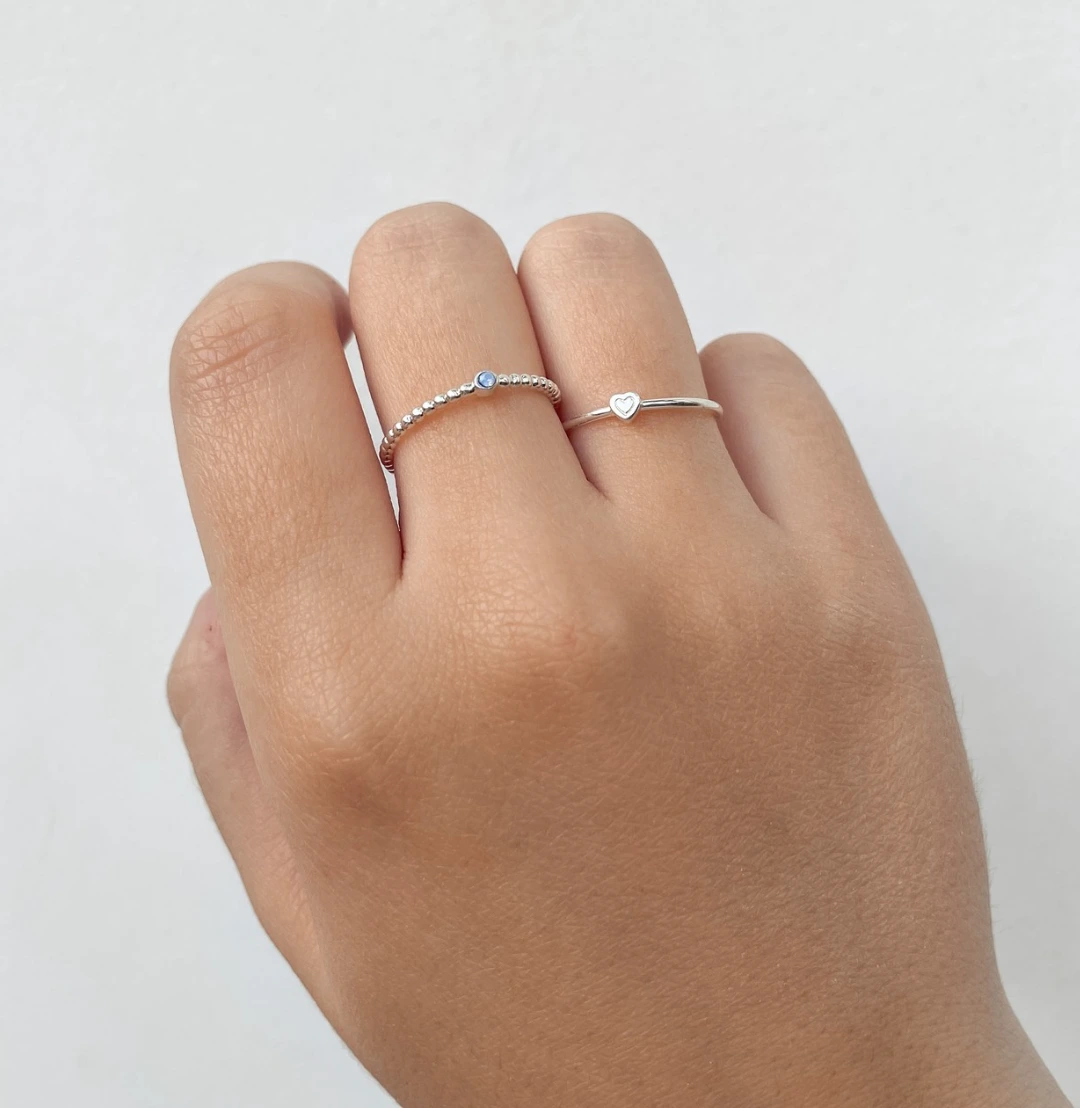
Turn your favourite ring over and look closely at the inside of the band. There is a good chance you will spot a tiny, almost unreadable number pressed into the metal: 925. Most people know it is shorthand for "good quality silver," but far fewer know what it actually stands for, or why it is the number worth looking for before you buy.
Pure silver vs. sterling silver
Sterling silver exists because pure silver is simply too soft to wear. Pure silver, also known as 999 fine silver, is 99.9% silver with almost nothing added for strength. It looks beautiful, but it has the structural integrity of a soft metal. Make an everyday ring out of it and it would bend out of round, scratch easily and lose its shape within a week of normal wear.
That is why fine silver is mostly used for things that are not handled roughly, like bullion or certain decorative pieces. For jewellery you actually live in, it needs reinforcement. That reinforcement is exactly what the "925" in sterling silver represents.
Why 7.5% makes all the difference
The small 7.5% of alloy is what turns soft silver into durable jewellery. By mixing in a touch of another metal, almost always copper, the silver becomes hard and resilient enough to survive daily wear, knocks and the occasional drop, while keeping that brilliant, luminous white-silver colour people love. Less silver would dull the colour and risk a reaction; more silver would be too soft. 92.5% is the sweet spot, which is why it became the worldwide standard centuries ago.
That same copper-based ratio is the reason quality 925 sterling silver is considered hypoallergenic and kind to sensitive skin. There is no significant nickel doing the heavy lifting, which is the metal most commonly behind irritation in cheap jewellery. If you have ever had a piece turn your finger green, that is a copper-heavy base metal reacting with your skin, a very different thing from solid sterling silver.
How to tell if your silver is real
The fastest way to check is to look for the hallmark. Genuine sterling silver is stamped with a small mark confirming its purity. Look for "925", "STER" or "Sterling" pressed into the inside of ring bands, along the edge of a pendant, or on the small tag near a necklace or bracelet clasp.
A couple of quick at-home checks back this up: real silver is not magnetic, so a fridge magnet that grips firmly is a red flag, and solid silver never flakes or reveals a different colour underneath the way worn plating does. Every solid silver piece at Cala Luna carries the 925 hallmark, so you always know exactly what you are wearing. When you are buying a ring, our ring size guide and calculator helps you get the fit right, and our jewellery care guide keeps that hallmarked silver looking its best for years.
Want to see it in person? Browse our solid 925 sterling silver rings, fidget rings, precious stone rings, bracelets and earrings, or explore the gold-plated styles.
Build your everyday collection.
Stop wasting money on plated metals that flake and fade. Invest in solid 925 sterling silver rings designed to be worn and loved every single day.
Shop Solid Silver RingsFrequently asked questions
Can I wear 925 sterling silver every day?
Absolutely. The 7.5% alloy is added specifically to make sterling silver hard enough for everyday wear, so it holds its shape and shine far better than soft pure silver. A quick wipe now and then keeps it bright.
Does 925 sterling silver have nickel in it?
Generally, no. High-quality 925 sterling silver uses copper as its alloy rather than nickel, which makes it hypoallergenic and safe for most people with sensitive skin.