Gold Plated vs. Solid Silver: Which Is Better for Everyday Wear?
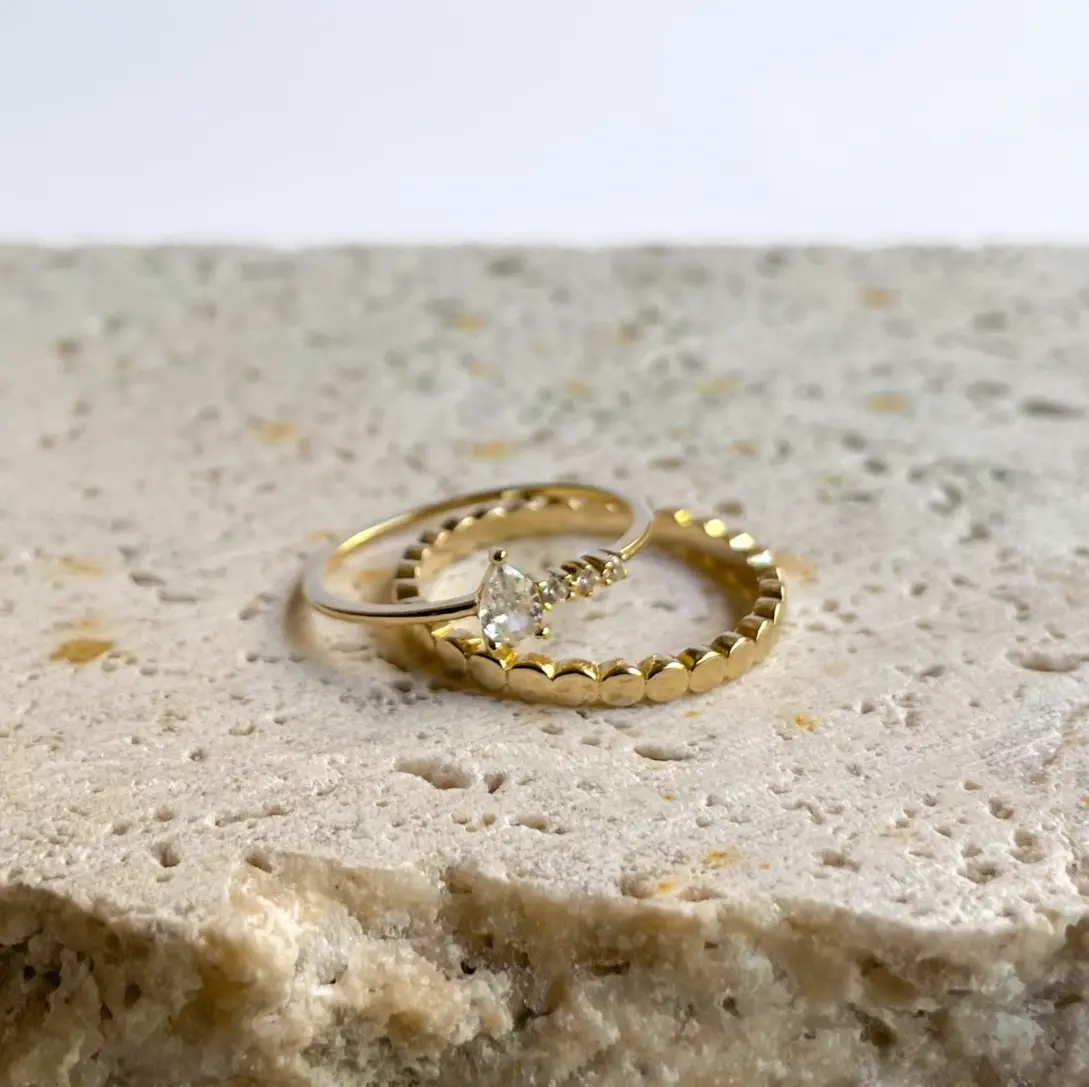
It is one of the most common questions when you are shopping for dainty, everyday jewellery in Australia: do you go for silver or gold? Both look beautiful in the photos, both are described as "high quality," and the price tags can look surprisingly similar. The right answer comes down to how you actually live in your jewellery, and what each one is really made of underneath.
The case for solid 925 sterling silver
Solid 925 sterling silver is the most practical metal for everyday jewellery. It is 92.5% pure silver with a small copper alloy for strength, which makes it durable, hypoallergenic and kind to sensitive skin. It handles sweat, water and humidity without trouble, so you can shower, swim, work out and wash up while wearing it.
It will never rust or flake, because the silver runs all the way through the piece rather than sitting on the surface. The only thing it does over time is develop a little natural tarnish, and that wipes off in seconds with a soft cloth. If you want the full routine, our jewellery care guide covers cleaning and storage, and if you are buying a ring, the ring size guide and calculator helps you get the fit right the first time. Worth knowing: solid sterling is also why it does not turn your finger green the way cheap metal does.
What actually is gold-plated jewellery?
Gold-plated jewellery is a base metal coated with a thin layer of real gold, usually applied through an electroplating process. That gold layer is what gives the piece its warm colour and luxury look at a fraction of the price of solid gold. The catch is that the plating is thin, so over months or years of wear it gradually fades, especially where there is friction or contact with water and chemicals.
Here is the part that separates good gold-plated jewellery from the cheap stuff: it is all about the base. Fast-fashion brands plate over cheap brass, and once that thin gold wears through you are left with reactive metal that tarnishes fast and turns your skin green. Cala Luna plates over a base of solid 925 sterling silver. So even if the gold eventually fades, you are left with a beautiful, hypoallergenic silver piece underneath, not reactive junk you have to throw away. You can see this approach across our gold-plated styles.
The verdict: which should you choose?
Neither one is "better" outright. The right pick depends on your routine and how hands-off you want to be.
- Choose solid 925 sterling silver if you never want to take your jewellery off. It is the everyday workhorse for showering, the gym, swimming and sleeping, with almost no upkeep.
- Choose gold-plated if you love the warm gold aesthetic and you do not mind taking pieces off before showering or swimming to protect the plating. With a solid silver base, it is still safe for sensitive skin.
Plenty of people keep both: solid silver for the pieces that never leave their hands, and gold-plated for the looks they style on purpose. Browse our solid silver rings, fidget rings, precious stone rings, bracelets and earrings, or explore the gold-plated styles.
Find your everyday staple.
Whether you are a silver loyalist or a gold lover, shop our collection of hypoallergenic, dainty jewellery designed for real life.
Shop the CollectionFrequently asked questions
Can I shower with gold-plated jewellery?
We advise against it to prolong the life of the gold layer. Water, soap and steam gradually wear plating down, so taking gold-plated pieces off before showering or swimming keeps them looking their best for longer.
Is gold-plated silver hypoallergenic?
Yes. Because the core is solid 925 sterling silver, it is safe for sensitive skin, even once the gold layer eventually wears down. That is the advantage of plating over silver instead of cheap brass.